Indian Culture and Traditions Explained
Indian culture and traditions are often spoken about with pride, confusion, curiosity, and sometimes misunderstanding. For many, traditions appear as rigid rituals passed down without explanation. But when observed closely, Indian culture reveals something far more human – practices shaped by geography, climate, social needs, and lived experience.
To understand Indian culture and traditions, we must move beyond surface actions and look at the meaning beneath them. Traditions were not created to restrict life. They were created to support it.
Why Indian Culture and Traditions Began
Indian culture and traditions did not begin as grand ceremonies or religious obligations. Most started as simple responses to everyday realities – how to stay healthy, how to live together peacefully, and how to remain connected to nature.
In ancient times, communities depended on seasons, sunlight, water, and soil. Traditions helped people align their lives with these natural cycles. What later became rituals were once practical habits repeated over generations because they worked.
For example, eating seasonal food, waking up early, or resting during peak afternoon heat were not spiritual acts initially. They were survival strategies that slowly blended with philosophy and belief.
Daily Life as the Foundation of Indian Culture and Traditions
One of the strongest features of Indian culture and traditions is how deeply they are tied to daily life.
Removing footwear before entering homes was about cleanliness in dusty environments. Sitting on the floor encouraged better posture and digestion. Eating with hands improved sensory awareness of food temperature and texture, reducing digestive issues.
Over time, these habits became symbols of discipline, respect, and mindfulness. What looks symbolic today was once deeply functional.
Even greetings reflect this thinking. Joining hands in Namaste keeps physical distance while expressing respect a thoughtful balance between warmth and boundaries.
Symbolism Behind Indian Rituals and Objects
Indian culture and traditions rely heavily on symbolism, not decoration.
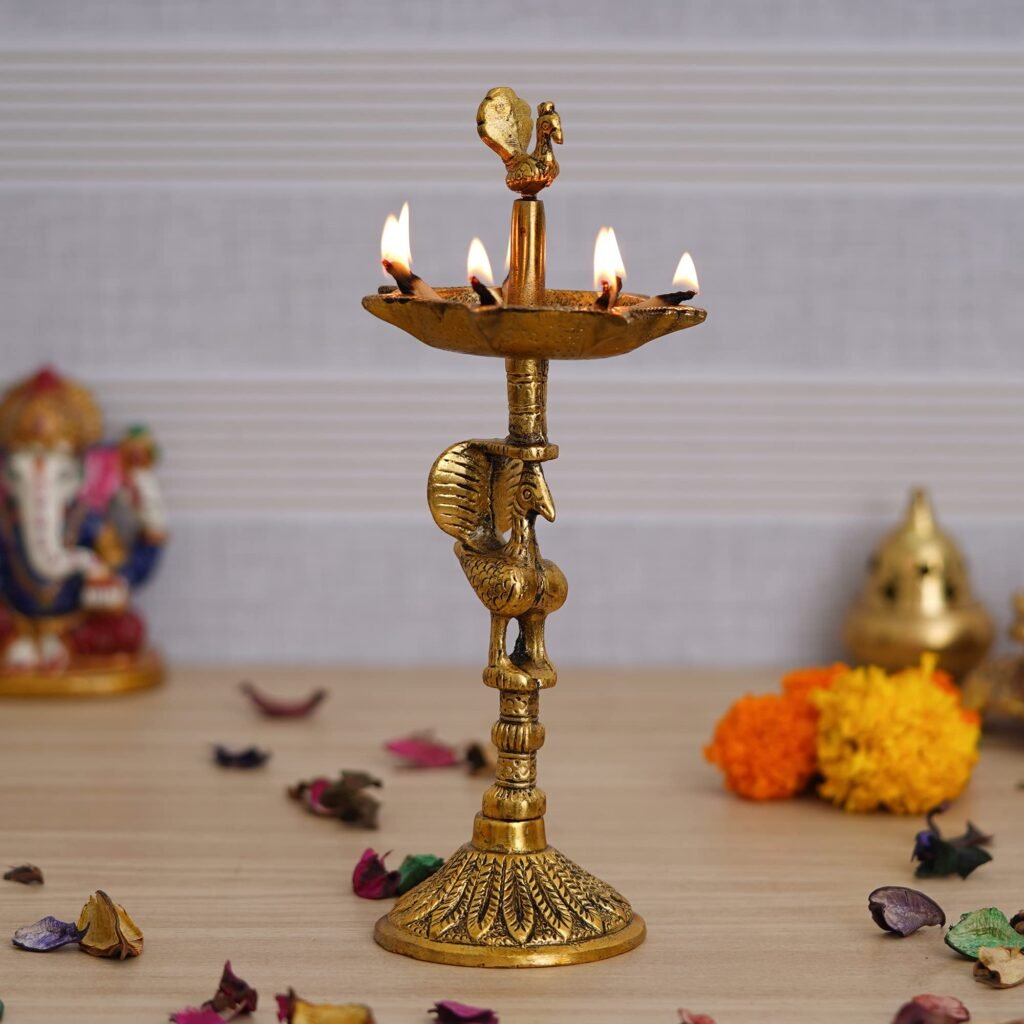
A lamp lit in the evening is not just about prayer. It represents awareness at the time when daylight fades and darkness begins. The flame reminds people to stay mentally alert as the day ends.
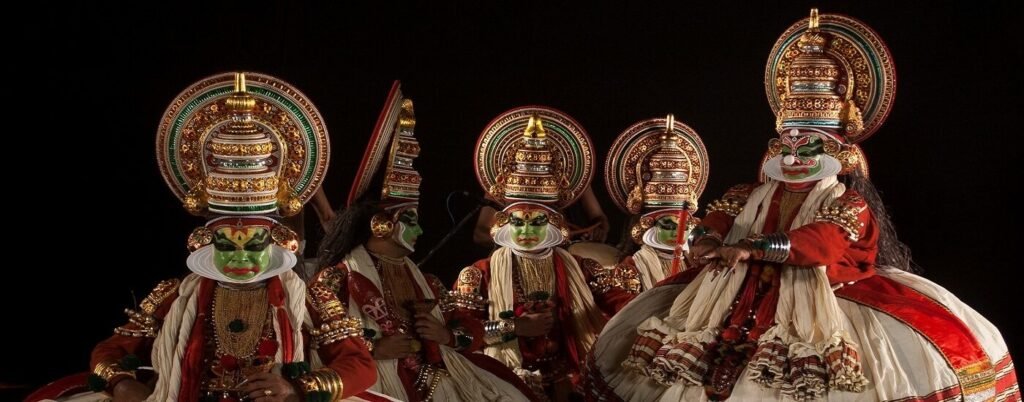
Applying a mark on the forehead symbolizes focus and responsibility. Using flowers in rituals reminds us of impermanence how beauty exists briefly and must be respected while it lasts.
These symbols were never meant to impress others. They were reminders directed inward.
Regional Variations in Indian Culture and Traditions
A common mistake is assuming Indian culture and traditions are uniform. In reality, they change every few hundred kilometers.
Climate, language, occupation, and local history all shaped customs differently. In coastal regions, seafood became central to food traditions. In arid areas, grains and dairy dominated diets.
Marriage rituals, festivals, and even prayer styles differ widely yet the core values remain similar: respect for elders, gratitude for nature, and community harmony.
These variations are not contradictions. They are adaptations.
Understanding this diversity prevents oversimplification and helps us appreciate Indian culture as a living system, not a fixed rulebook.
How Indian Culture and Traditions Evolved Over Time
Indian culture and traditions have never been frozen in time.
They evolved through migration, trade, invasions, and reform movements. Many practices changed form while keeping their original intent. Others were simplified as lifestyles changed.
Joint family traditions adjusted as nuclear families became common. Seasonal fasts transformed into symbolic observances rather than strict rules. Oral traditions found new life through written texts and digital platforms.
This ability to adapt is why Indian culture has survived for thousands of years.
Common Misunderstandings About Indian Culture and Traditions
One major misunderstanding is that Indian traditions are only religious. In truth, many are cultural, environmental, or social practices that later merged with belief systems.
Another misconception is that questioning traditions is disrespectful. Historically, Indian philosophy encouraged inquiry. Asking why was seen as learning, not rebellion.
Problems arise when traditions are followed without understanding or rejected without curiosity. Both extremes disconnect people from their roots.
Indian Culture and Traditions in Modern Life
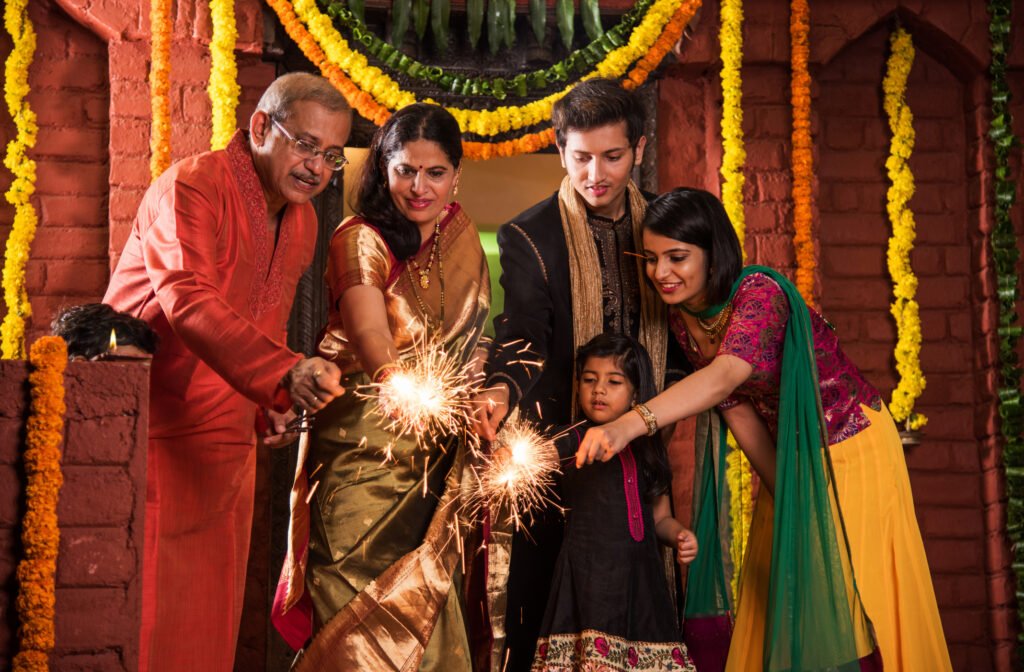
Today, Indian culture and traditions exist alongside fast-paced urban life. Many practices are followed selectively, adapted to convenience, or observed symbolically.
This is not cultural decline. It is cultural adjustment.
6Traditions were never meant to burden people. They were meant to guide life gently. When their meaning is understood, people naturally keep what feels relevant and let go of what does not.
Modern Indian culture is not about perfect adherence it is about conscious connection.
Why Understanding Indian Culture and Traditions Matters
Indian culture and traditions are not about the past alone. They influence how people think, eat, celebrate, mourn, and connect even today.
Understanding the meaning behind traditions transforms them from habits into choices. It replaces blind following with awareness – and rejection with respect.
Indian culture was never meant to be performed. It was meant to be lived.
When we look closely, Indian culture and traditions are not mysterious or rigid. They are deeply human – shaped by care, observation, and experience.
At DesiRoots.in, we believe that understanding tradition is the strongest form of respect. Not because it is old but because it still speaks, if we listen.