India is a land of rich traditions, vibrant colors, and timeless culture. One of the most beautiful reflections of this diversity is traditional Indian clothing.
Every state in India has its own unique dress, influenced by climate, history, craftsmanship, and local customs.
In this blog, let’s explore traditional dresses of India state-wise, and understand what makes each attire special.
Traditional Dresses of North India
Punjab
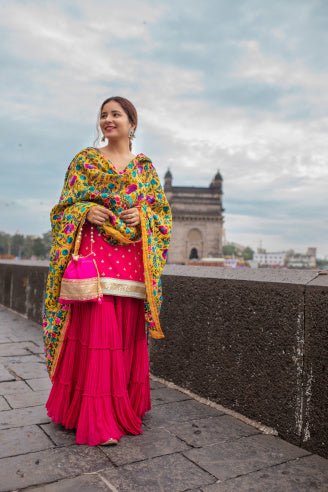
- Women: Salwar Kameez with vibrant Phulkari dupatta
- Men: Kurta Pajama with Pagdi
Bright colors and bold embroidery represent Punjabi joy and energy.
Rajasthan
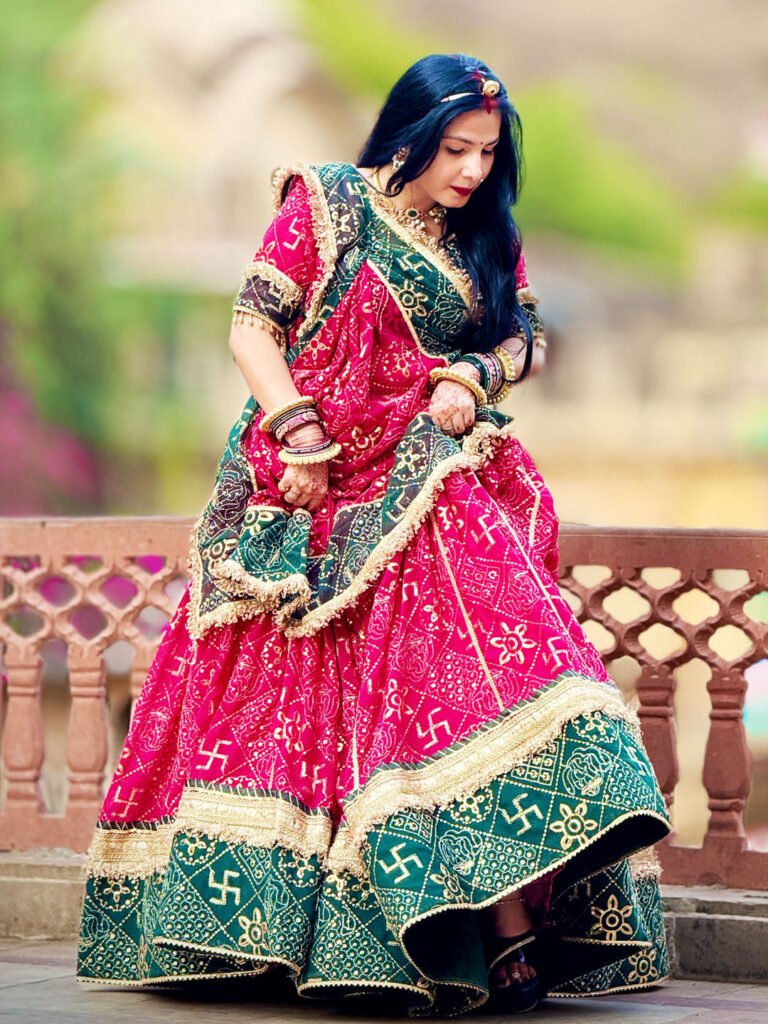
- Women: Ghagra Choli with Bandhani or Leheriya prints
- Men: Dhoti-Kurta with Safa
Royal heritage and desert hues define Rajasthani attire.
Uttar Pradesh
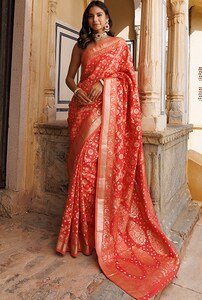
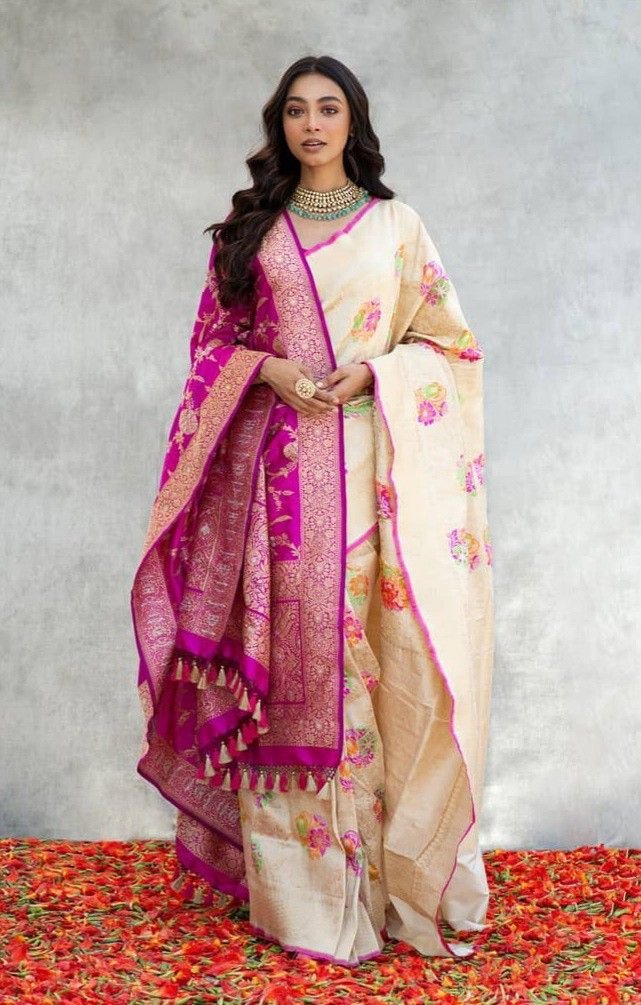
- Women: Banarasi Saree
- Men: Kurta Pajama or Sherwani
Known worldwide for luxurious silk weaving.
Jammu & Kashmir
- Women & Men: Pheran
- Designed to protect from cold, often embellished with Kashmiri embroidery.
Traditional Dresses of West India
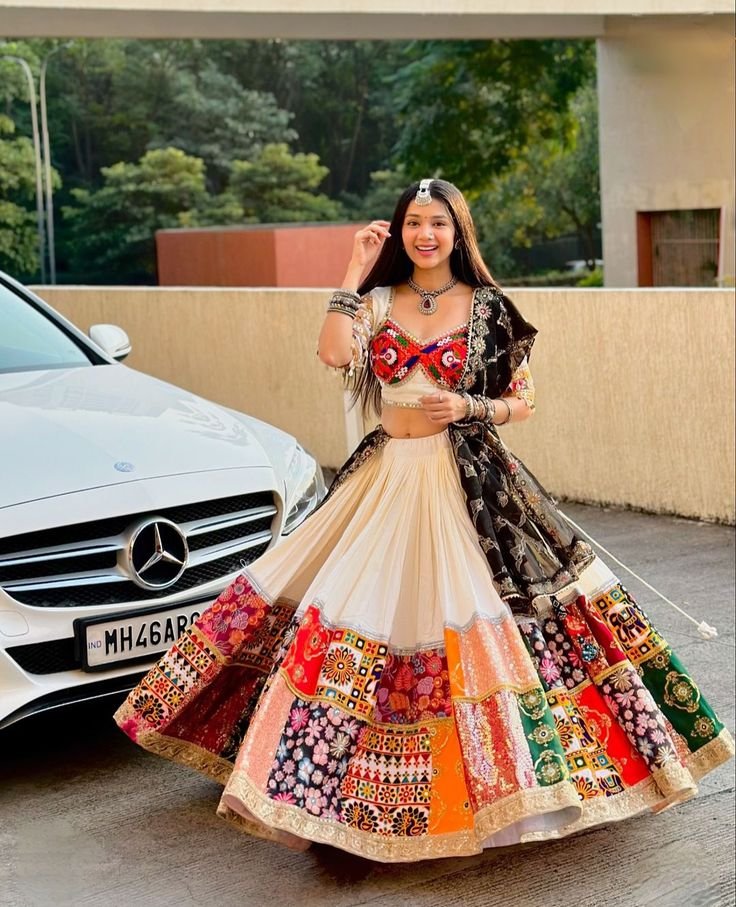
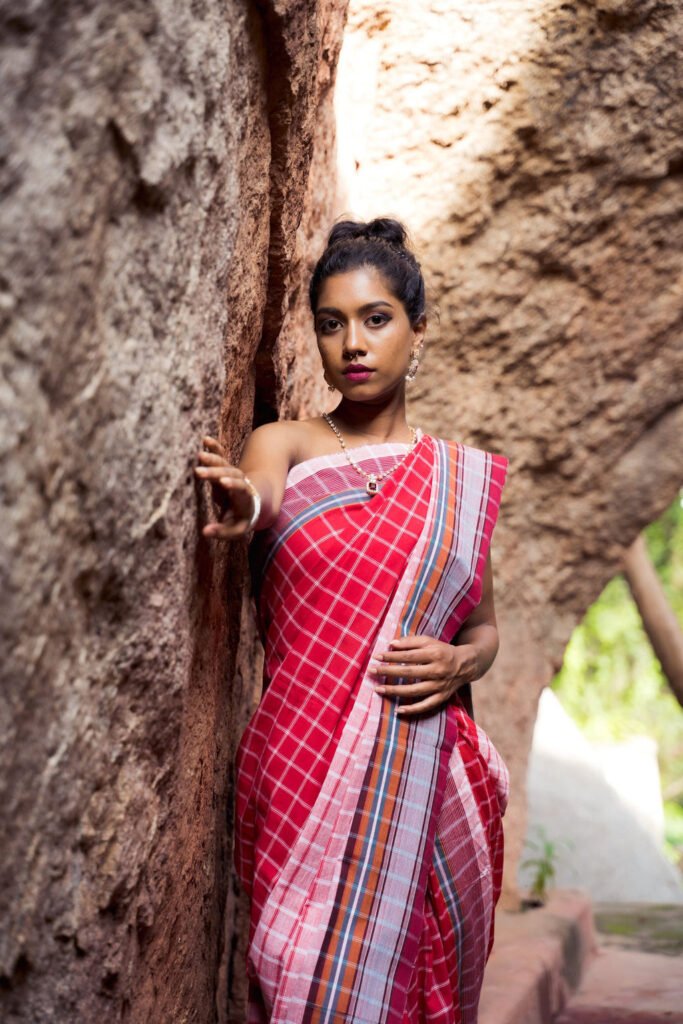
Gujarat
- Women: Chaniya Choli
- Men: Kediyu and Dhoti
Popular during Navratri Garba nights.
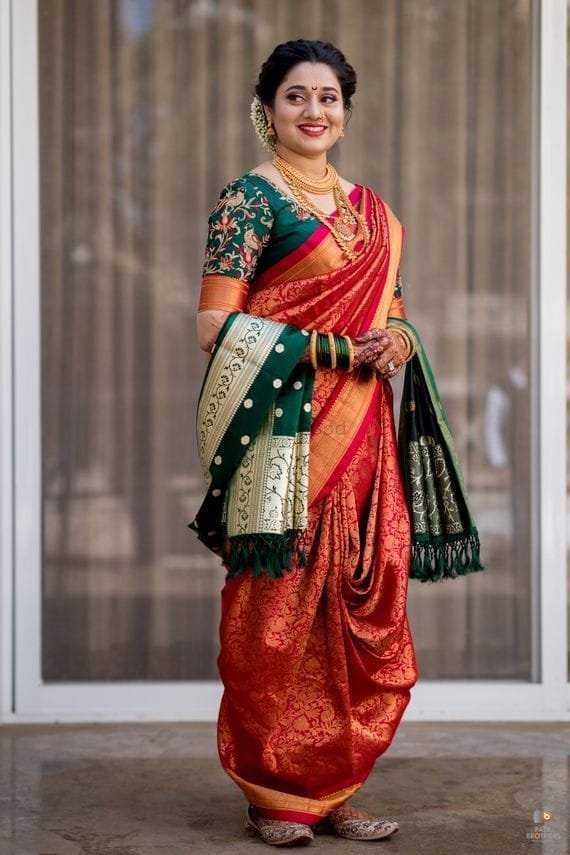
Maharashtra
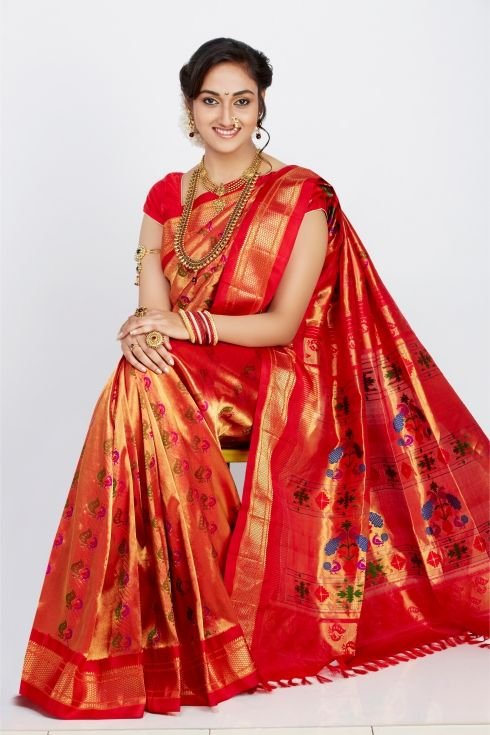
- Women: Nauvari (9-yard) Saree
- Men: Dhoti Kurta with Pheta
Symbol of Maratha pride and power.
Goa
- Women: Kunbi Saree
- Simple yet graceful attire reflecting Goan heritage.
Traditional Dresses of South India
Tamil Nadu
- Women: Kanchipuram Silk Saree
- Men: Veshti (Dhoti)
Famous for temple borders and gold zari.
Kerala
- Women: Kasavu Saree (Settu Mundu)
- Men: Mundu
Elegant white and gold attire symbolizing purity.
Karnataka
- Women: Ilkal Saree
- Men: Panche
Known for rich colors and sturdy fabric.
Andhra Pradesh & Telangana
- Women: Pochampally & Gadwal Sarees
- Distinctive geometric patterns and handloom excellence.
Traditional Dresses of East India
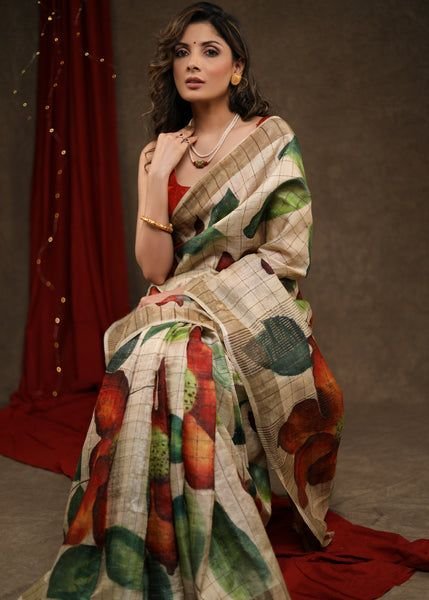
West Bengal
- Women: Tant & Baluchari Sarees
- Men: Dhoti Kurta
Lightweight cotton sarees ideal for humid weather.
Odisha
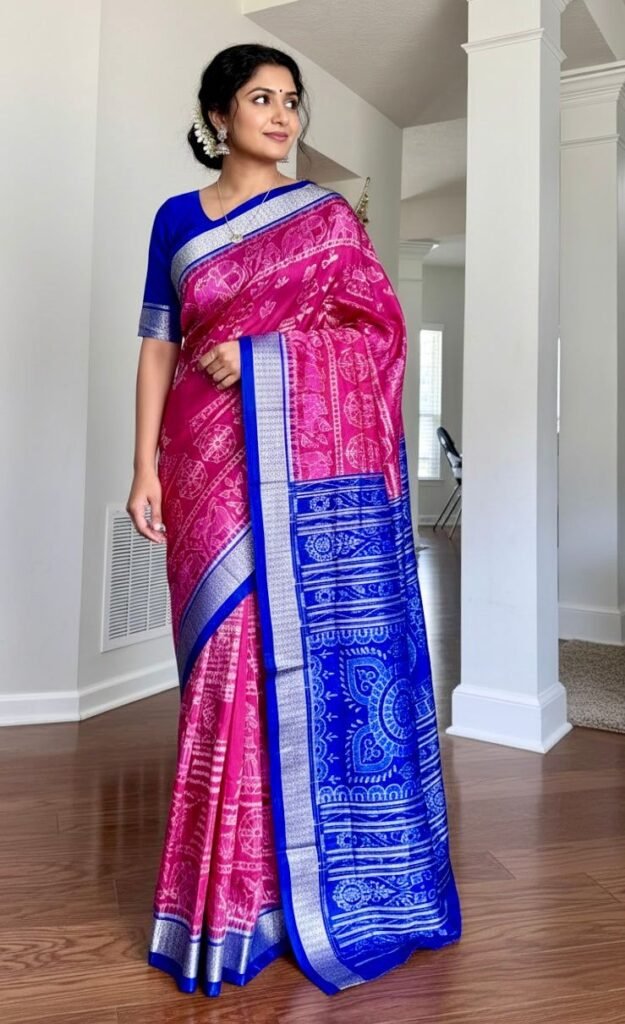
- Women: Sambalpuri Saree
- Handwoven ikat patterns with cultural motifs.
Assam
- Women: Mekhela Chador
- Elegant two-piece attire woven from Assam silk.
Bihar
- Women: Tussar Silk Sarees
- Known for natural texture and earthy tones.
Traditional Dresses of North-East India
Nagaland
- Tribal shawls with bold patterns and symbols.
Manipur
- Women: Phanek with Innaphi
- Graceful attire reflecting Manipuri culture.
Mizoram
- Women: Puan
- Handwoven fabric representing tribal identity.
Why Traditional Indian Dresses Matter Today
Traditional dresses are not just clothing – they are living heritage.
- Preserve Indian craftsmanship
- Support local artisans
- Connect us to roots & rituals
- Represent state-wise cultural identity
In modern fashion, Indian traditional wear continues to inspire designers globally.
India’s traditional dresses beautifully showcase the country’s unity in diversity.
From Banarasi silk to Phulkari embroidery, every attire tells a story of history, culture, and pride.
Wearing traditional Indian clothing means wearing culture, tradition, and legacy.